Category: American Constitutionist

  • The Uniparty is Out; America is Back In

    The Uniparty is Out; America is Back In


    America 250 Fund Drive

    When in the course of human events we find ourselves once again being told by a tyrannical government that we must do whatever the government tells us, it is once again time to defend our God-given rights and limit our government. The uniparty has indoctrinated many with the belief that there is no choice but to vote for them and that a vote for anyone else is a “wasted vote” or a vote for the “other team.” Their bipartisan efforts to keep voter options limited is only surpassed by their bipartisan efforts to suppress our individual rights and take our money.

    “But, pardon me, my fellow citizens, I know you want not zeal or fortitude. You will maintain your rights or perish in the generous struggle. However, difficult the combat, you never will decline it when freedom is the prize.”

    Dr. Joseph Warren ~ Delivered at Boston, 6 March 1775

    The Democratic and Republican parties are happy to use voters to maintain power, but they have grown completely tone deaf to the needs of their supporters. And they are losing major supporters as they push out those who object to the waste and abuse.

    • Tucker Carlson recently announced his leaving the Republican party.
    • Marjorie Taylor Greene has also announced that she is done with Republican party.
    • Thomas Massie was primaried when he stood for principles over party.

    Everyday Americans have had enough. The youth are avoiding the uniparty and registering independent in record numbers. We have a growing opportunity…and the Constitution Party is capitalizing on it!

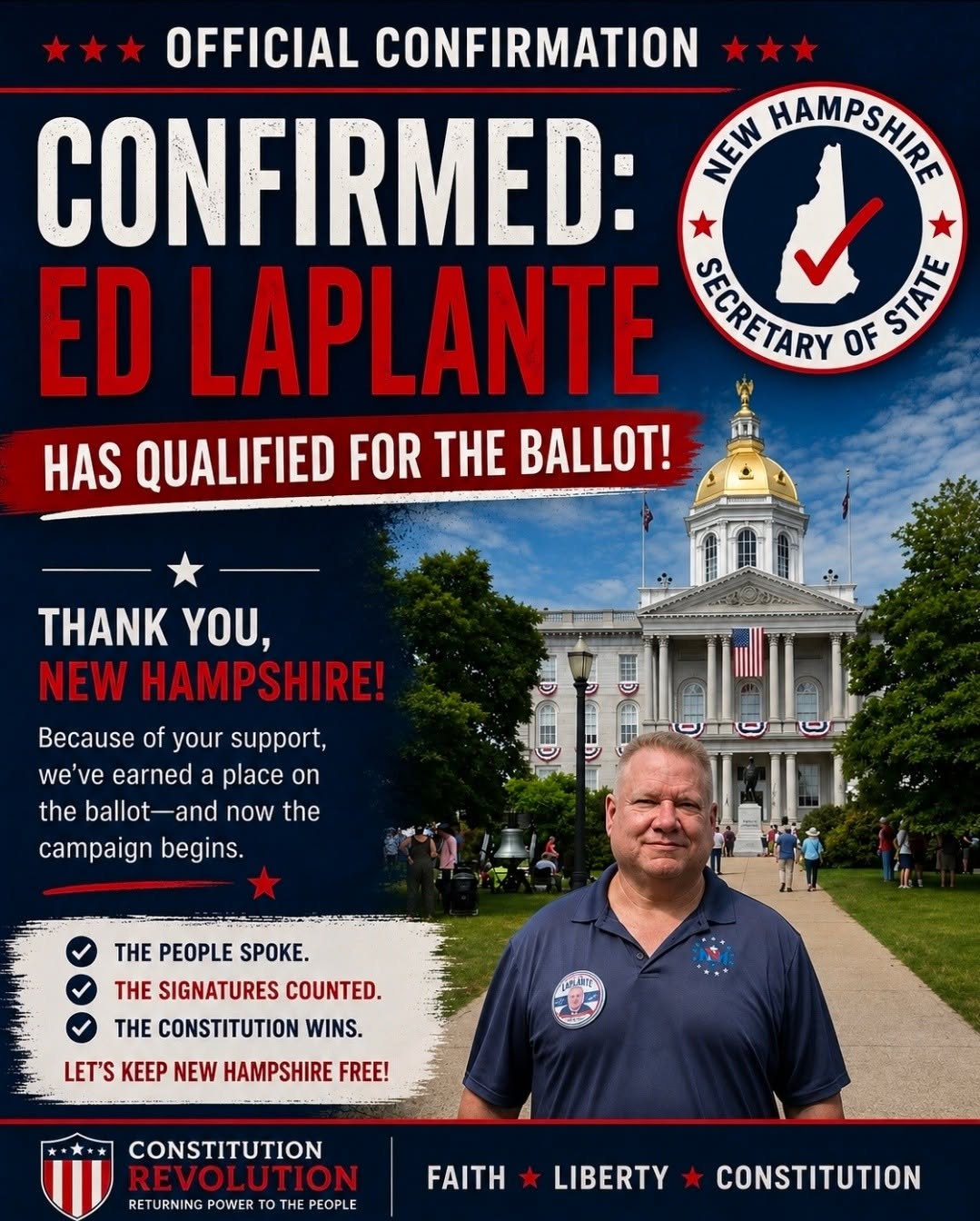
    In New Hampshire, the Constitution Party has an opportunity gain ballot access, and gain recognized party status, through the efforts of the CP of NH and their 2026 U.S. Senate candidate, Edmond Laplante. We are currently raising funds and volunteers to assist in his signature gathering of 3,000 signatures to be placed on the general ballot this fall. With only 4% of the vote, the CP of NH will give New Hampshire a third political party to combat the uniparty.

    The Constitution Party of North Carolina is also gathering signatures to regain the right for North Carolinians to register with the CP of NC and to be able to place their candidates on the ballot without having to endure the odious and enormous challenge of signature gathering for ballot recognition.

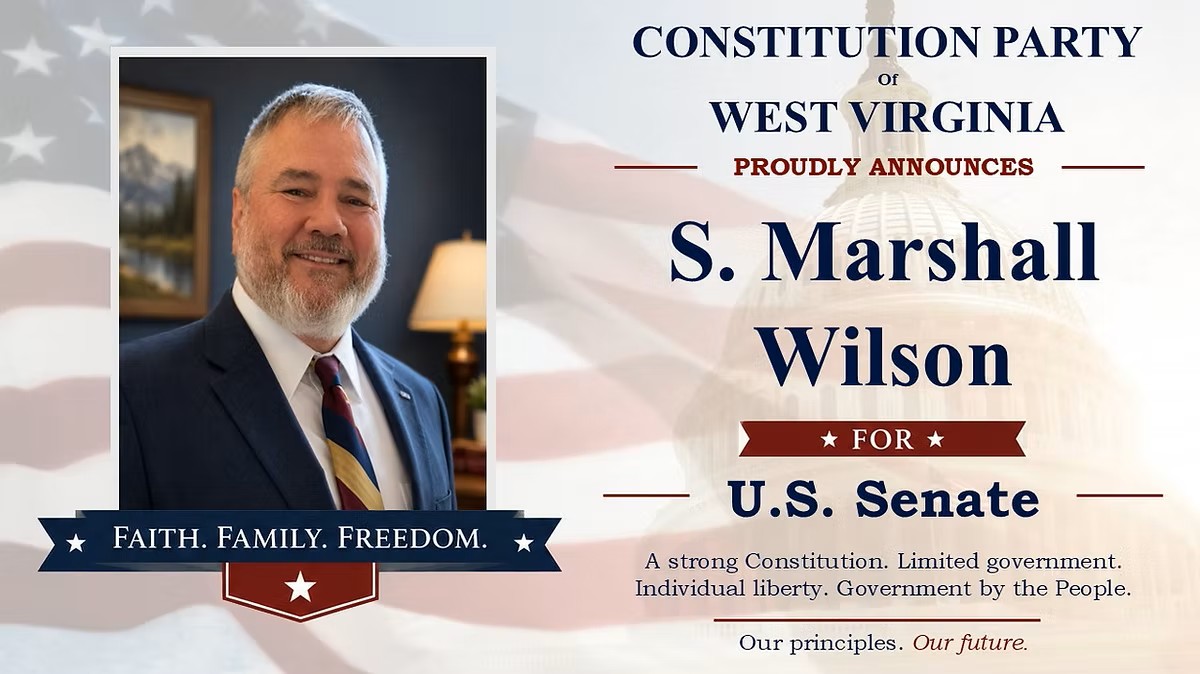
    West Virginia recently gained their ballot access and has joined the ranks of other CP States that are able to offer candidates.

    We would like to be able to offer these candidates financial support for their campaigns and assist them with advertising since they will be facing media blackouts thanks to the uniparty. We are therefore running a major fundraising campaign through the end of 2026 to expand Americans’ political options, expand the CP’s ballot access, build State Affiliates, and support our growing number of candidates.

    In honor of America’s 250th birthday, we have a goal to raise $250,000 by the end of 2026. We have an opportunity to launch a major 2028 political revolution out of the collapse of the two old dying parties by taking advantage of the immediate situation. Your support right now will have an exponential impact down the road. Will you make a commitment to freedom now?

    “Is life so dear, or peace so sweet, as to be purchased at the price of chains and slavery? Forbid it, Almighty God! I know not what course others may take; but as for me, give me liberty or give me death!”

    Patrick Henry

    “It does not take a majority to prevail … but rather an irate, tireless minority, keen on setting brushfires of freedom in the minds of men.

    Samuel Adams

  • The claims of “birthright citizenship” exposed.

    The claims of “birthright citizenship” exposed.


    BIRTH’RIGHT, noun [birth and right.] Any right or privilege, to which a person is entitled by birth, such as an estate descendible by law to an heir, or civil liberty under a free constitution.

    CITIZENSHIP, noun The state of being vested with the rights and privileges of a citizen.

    The term “birthright citizenship” is intentionally used to try to convince you of the legitimacy of the narrative they are pushing. The problem with their phrase is that their contrived definition denies natural law. Since citizenship is inherited from the parent, an accurate definition of birthright citizenship is “a right of citizenship descendible to the child from that child’s parent.”

    This natural law is clearly spelled by Vattel in his Law of Nations:

    The Law of Nations or the Principles of Natural Law (1758)

    Emmerich de Vattel


    BOOK 1, CHAPTER 19: Of Our Native Country, and Several Things That Relate to It

    212. Citizens and natives.

    The citizens are the members of the civil society; bound to this society by certain duties, and subject to its authority, they equally participate in its advantages. The natives, or natural-born citizens, are those born in the country, of parents who are citizens. As the society cannot exist and perpetuate itself otherwise than by the children of the citizens, those children naturally follow the condition of their fathers, and succeed to all their rights.

    The society is supposed to desire this, in consequence of what it owes to its own preservation; and it is presumed, as matter of course, that each citizen, on entering into society, reserves to his children the right of becoming members of it. The country of the fathers is therefore that of the children; (emphasis added) and these become true citizens merely by their tacit consent.

    We shall soon see whether, on their coming to the years of discretion, they may renounce their right, and what they owe to the society in which they were born. I say, that, in order to be of the country, it is necessary that a person be born of a father who is a citizen; for, if he is born there of a foreigner, it will be only the place of his birth, and not his country. (emphasis added)

    215. Children of citizens born in a foreign country.

    It is asked whether the children born of citizens in a foreign country are citizens? The laws have decided this question in several countries, and their regulations must be followed. By the law of nature alone, children follow the condition of their fathers, and enter into all their rights (§ 212); the place of birth produces no change in this particular, and cannot, of itself, furnish any reason for taking from a child what nature has given him; (emphasis added)

    I say “of itself,” for, civil or political laws may, for particular reasons, ordain otherwise. But I suppose that the father has not entirely quitted his country in order to settle elsewhere. If he has fixed his abode in a foreign country, he is become a member of another society, at least as a perpetual inhabitant; and his children will be members of it also.

    Thus by natural law, their definition of birthright citizenship is nonsensical and in direct contradiction to natural law.

    We see this understanding of natural law citizenship inheritance reaffirmed by our Founders right after the ratification of the U.S. Constitution. David Ramsay, often called the historian of the American Revolution, reiterated this in his 1789 dissertation:

    A DISSERTATION ON THE MANNER OF ACQUIRING THE CHARACTER AND PRIVILEGES OF A CITIZEN OF THE UNITED STATES.

    PRINTED IN THE YEAR MDCCLXXXIX. David Ramsay

    4th. None can claim citizenship as a birth-right, but such as have been born since the declaration of independence, for this obvious reason: no man can be born a citizen of a state or government, which did not exist at the time of his birth. Citizenship is the inheritance of the children of those who have taken a part in the late revolution: but this is confined exclusively to the children of those who were themselves citizens. Those who died before the revolution, could leave no political character to their children, but that of subjects, which they themselves possessed. If they had lived, no one could be certain whether they would have adhered to the king or to congress. Their children, therefore, may claim by inheritance the rights of British subjects, but not of American citizens.

    Citizenship bestowed at birth is confined to the children of those who were themselves citizens. The place of birth does not change this inheritance, and if the child is born to a non-citizen, it is only the child’s place of birth and not their country.

    This understanding was reaffirmed again by the 14th Amendment: “All persons born…in the United States, and subject to the jurisdiction thereof, are citizens of the United States and of the State wherein they reside.” The requirement here, for a child to be born a citizen, is the place of birth plus the citizenship of the parents. A person who is not an American citizen can be deported because they are subject to a foreign jurisdiction. Conversely, and American citizen cannot be deported because they subject to the jurisdiction of the United States.

    Countries that chose not to follow the natural law did so for obvious reasons. The British laws at the time of the American Revolution declared every child born to a British subject, and every child born in any place under British rule, to be British subjects. The most obvious point to be made here is that these people were considered to be owned by the British king. This contradictory policy claimed the maximum number of humans that could be claimed for Britain. This was not an attempt to give a gift, but to capture a resource. The British government tried to maximize their human resources and then tried to maximize what they could extract from them.

    The decades leading up the American Revolutionary War were filled with British attempts to tax and control their subject here in America and the colonists defending their natural rights. The continued abuses on the colonists by a government that view them as property drove the colonists to rebel and declare their independence from Britain.

    Our current uniparty government in America has taken on the same mindset. They continue to look for ways to pile on more national debt, steal through inflation, and assert their right to tax us as they see fit. They have declared us to be a mere resource of theirs to use and abuse.

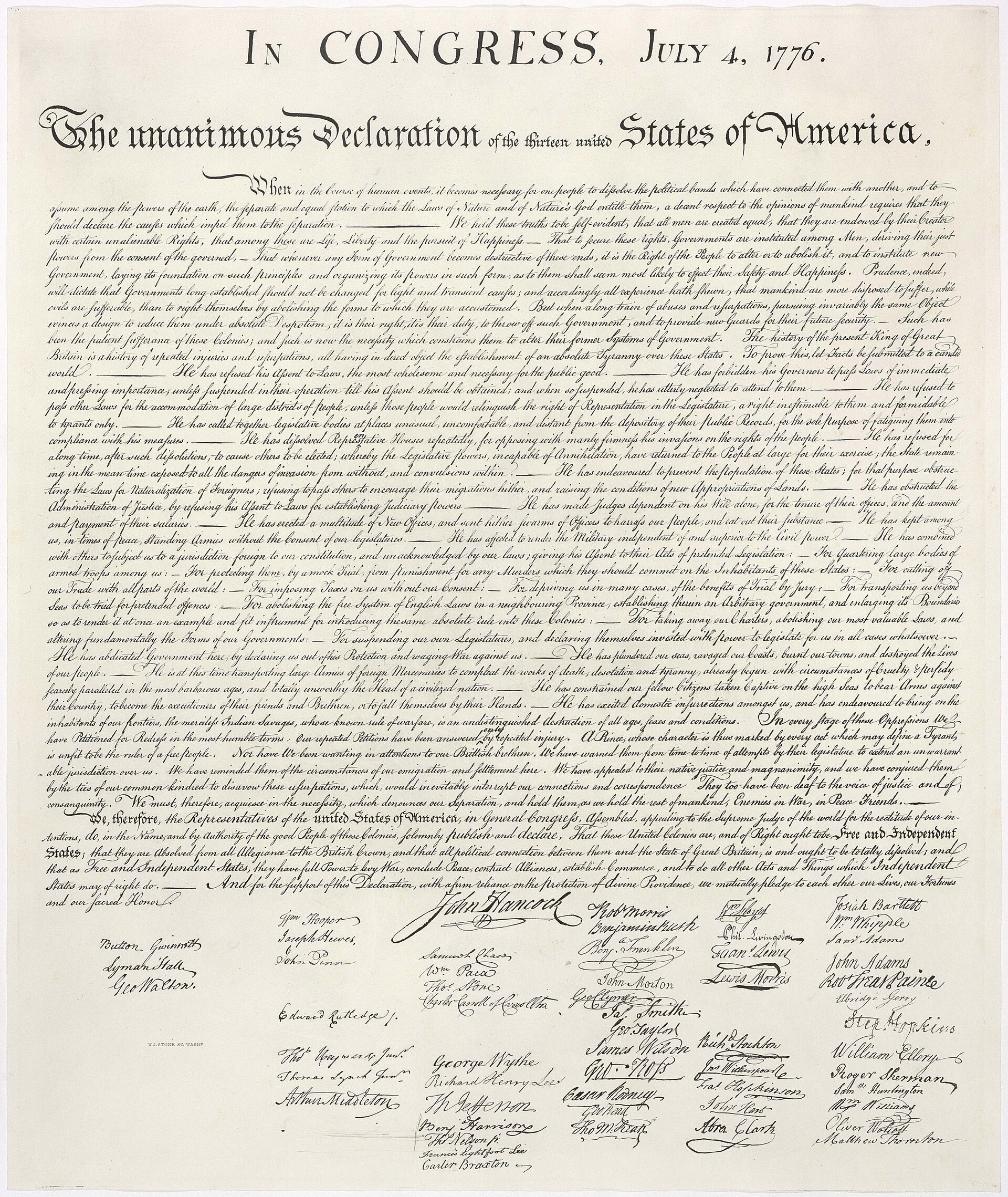
  • Founders Challenge: Declaration of Independence

    Founders Challenge: Declaration of Independence


    We invite You to Take the Founder’s Challenge!

    The words of the Declaration of Independence are powerful!

    We encourage everyone to read the Declaration of Independence. Read it out loud. Read it to others. Read it for your public functionaries.

    Join us in this exciting challenge and invite your friends, families, and local schools to do the same.

    • Read the Declaration of Independence for yourself, with your family, and with friends.
    • Do a choral reading with others at church, at school, or at other gatherings.
    • Organize a reading on the steps of your local city hall or county building.
    • Memorize the Declaration (visit A Year of Civic Repentance for more details).
    • Video record your efforts and share them on social media with the hashtag #CPFoundersChallenge so we can track and share your amazing accomplishments!

    “As to the history of the revolution, my ideas may be peculiar perhaps singular. What do we mean by the revolution? The war? That was no part of the revolution; it was only an effect and consequence of it. The revolution was in the minds of the people, and this was effected from 1760 to 1775, in the course of fifteen years, before a drop of blood was shed at Lexington.”

    John Adams, Letter to Thomas Jefferson, August 24, 1815

  • The Shocking Taste of Freedom

    The Shocking Taste of Freedom


    The FIFA World Cup has been hosted in the USA, and individuals who have come from all over the world have been shocked at what their visit has revealed. It isn’t just the amount of freedoms that we have that has been such a shocking experience, but what those freedoms have produced.

    There have been many comments by foreign visitors, who have come for the World Cup, about the things the talking heads in their own country have told them that they have found to be untrue. They have found a welcoming, friendly environment where they have been heartily invited to taste all that our freedoms have to offer. Everything from new foods to new wilderness adventures to travel and accommodations have been on display. It has reflected well on all Americans, and we hope it causes Americans to stop and think and remember what it took to reduce government back to the point where we can experience our freedoms.

    On this 250th birthday of the United States of America, we invite all Americans to recommit themselves to self-governance, limited government, and to securing individual, God-given rights.

    But pardon me, my fellow citizens, I know you want not zeal or fortitude. You will maintain your rights or perish in the generous struggle. However, difficult the combat, you never will decline it when freedom is the prize.”


    Dr. Joseph Warren”. Delivered at Boston, 6 March 1775

  • From the Lyon’s Mouth.  War an Ode.

    From the Lyon’s Mouth. War an Ode.


    The Pennsylvania Ledger: Or the Virginia, Maryland, Pennsylvania, & New-Jersey Weekly Advertiser

    Printed by James Humphreys, Jr.

    POET’s CORNER.

    15 June 1776

    From the Lyon’s Mouth.
    WAR an ODE.

    ON all these dreary plains,
    There yet a sorrowing Muse remains,
    Who has seen with weeping eye,
    These former domes of love and joy,
    Happiness, contentment, case,
    And Freedom cloth’d in robes of peace,
    Where the Graces us’d to play,
    Now fallen desolation’s prey;

    With her I’ll view the scene of blood
    And destruction, that pursued
    The tracts of Mars, stern God of war,
    When, riding in his brazen car;
    Drawn by horses swift as wind,
    With all the furies close behind,
    And civil discord in his train
    He took his way o’er heaps of slain.

    First, shrouded in the veil of night,
    To Lexington we’ll take our flight.
    Borne on fancy’s rapid pinions,
    Swift I fly through liquid regions,
    Already do I see the ground
    On which, her brows with cypress bound,
    Britain’s genius mournful view’d
    Her children shed each other’s blood.

    Sudden darkness round is spread,
    Hark! What roaring peals of thunder!
    See the forked lightning fly!
    The bodies of the mighty dead,
    Their icy bands have burst assunder,
    And, in silent majesty,
    Rising from their tomb,
    Stalk along the awful gloom.

    Oh! from this more than deepest night
    Quickly let us take our flight;
    Swift as thought, convey’d through air,
    I stand on Abr’am’s fatal plain,
    Soft pity sheds a tender tear,
    To think how many heroes, slain,
    In the pride of youthful bloom,
    On this spot have found a tomb.

    Ah me! what hosts in dread array
    Towards yonder City bend their way.
    Hark! the angry cannons sound;
    Nought but flame and smoak is seen,
    Streams of blood bedew the ground,
    Alas! how horrid is the scene.

    Here the Son, his Parent’s pride,
    The only comfort of their age,
    On the field all crimson dy’d,
    Feels the Tyrant’s keenest rage,
    Here the bleeding Father lies,
    His Widow’s and his Orphan’s cries
    Assault his dying ear,
    And fills his soul with deep despair.

    Here the Patriot bends beneath
    His wounds all honest on the breast,
    He feels the approaching hand of death,
    And with groaning sinks to rest,
    That eye is clos’d in endless night
    Which late flash’d terror round,
    The arm so terrible in fight
    Now helpless lies upon the ground.

    Here the Lover seeking fame,
    Meets a glorious death;
    While his much lov’d Mistress’s name
    Sounds upon his last breath.
    Be calm, my tortur’d Soul, he cries,
    Ye boisterous winds your raging cease,
    Least my dreary, mournful sighs
    Wound my fair Amanda’s peace.

    But let some gentle breathing Zephyr,
    In the softest, tenderest whisper,
    Convey the tidings to her ear;
    The drop, if she does drop a tear
    Oh! let some little Cherub save,
    And borne on pity’s downy wing,
    The pearly treasure bring,
    And cast it on my grave.

    Most happy men! your troubles cease,
    Your souls are fled to realms of peace;
    Beyond a cruel Monarch’s power,
    In some blest Elysian Bower,
    Where bloody Tyrants ne’er can come;
    Perhaps ye read your Country’s doom.
    Oh! say, will never peace return?
    Ah! are we ever doom’d to mourn?

    Self whisp’ring reason tells me no,
    Our sorrows soon will cease to flow;
    Peace again will bless this shore,
    Smiling Freedom will return,
    And horrid war no more
    Shall cause this land to mourn.
    The Almighty’s self will interpose
    This scene of blood to close.


    Read More:

    Declaration Stories

  • The Committee of Five

    The Committee of Five


    “If ever the Time should come, when vain and aspiring Men shall possess the highest Seats in Government, our Country will stand in Need of its experienced Patriots to prevent its Ruin.”

    Samuel Adams

    On June 11, 1776, the Continental Congress selected five men to serve on a committee for drafting a Declaration of Independence in accordance with the resolves proposed by Richard Henry Lee. The Committee of Five, John Adams of Massachusetts, Benjamin Franklin of Pennsylvania, Thomas Jefferson of Virginia, Robert R. Livingston of New York, and Roger Sherman of Connecticut, were chosen for this task.

    The Committee of Five discussed the structure it should follow, then asked Thomas Jefferson, the Virginian, to prepare a draft of the declaration. Thomas Jefferson’s first draft was then discussed and minor edits made by the committee.

    The Committee of Five would present their proposed declaration to the Continental Congress on June 28, 1776.

    In Congress, July 4, 1776

  • The Lee Resolves

    The Lee Resolves


    “If ever the Time should come, when vain and aspiring Men shall possess the highest Seats in Government, our Country will stand in Need of its experienced Patriots to prevent its Ruin.”

    Samuel Adams

    On June 7, 1776, Richard Henry Lee proposed several resolves in the Continental Congress. These resolves set the stage for the American Colonies to finally separate from Great Britain. And while the Continental Congress did not immediately vote on Lee’s resolves, after some discussion it did move forward with appointing three committees (one for each piece of the resolves) to begin constructing the documents required by the resolves.

    Many delegates to the Continental Congress wanted to correspond with the legislatures that sent them, to get instructions on how to proceed. The delegates were generally agreed that this was the only recourse left to the Colonies, but things needed to proceed in an orderly, legal fashion.

    The resolves by Lee were clear and clean as to independence and as to the next steps to take.

    Resolved, That these United Colonies are, and of right to be, free and independent States, that they are absolved from all allegiance to the British Crown, and that all political connection between them and the State of Great Britain is, and ought to be, totally dissolved.

    That it is expedient forthwith to take the most effectual measures for forming foreign Alliances.

    That a plan of confederation be prepared and transmitted to the respective Colonies for their consideration and approbation.


    16 May 2026, Philadelphia, Pennsylvania

    Resolution to Separate from the Tyranny of the Democratic and Republican Parties

  • Who is Edmond Laplante and Why is The Uniparty so Scared of Him?

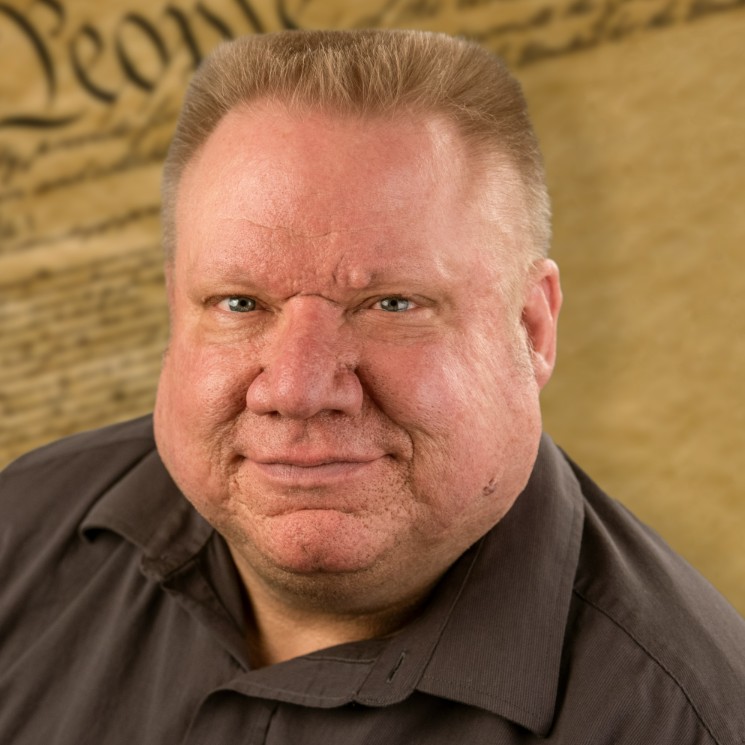
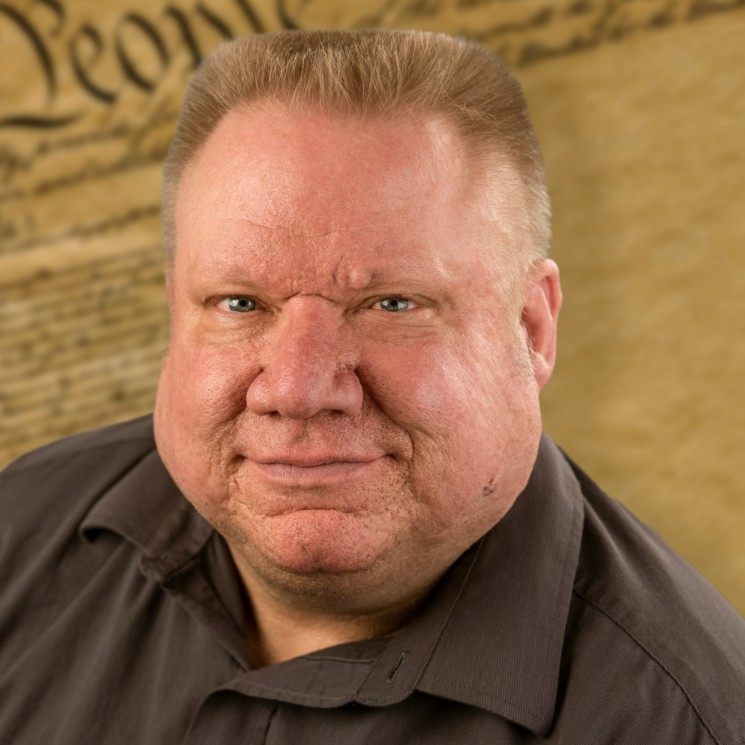
    Who is Edmond Laplante and Why is The Uniparty so Scared of Him?


    Edmond Laplante

    Father, Grandfather, Marine.

    Former candidate for both U.S. Senate and Governor of New Hampshire; current School Board Member.

    Candidate for U.S. Senator from New Hampshire


    Edmond Laplante’s Vision, in his own words

    “I’ve been a mechanic for over 40 years. In that time, I’ve worked on just about everything you can imagine – cars, trucks, machinery, and systems of all kinds. One thing experience teaches you quickly is humility: no mechanic knows everything, and no machine should be altered just because someone thinks they have a better idea.

    When you’re dealing with a complex system, you don’t improvise. You respect its design. You consult the manual – not to reinvent it, but to understand its limits, its tolerances, and what it was built to do.

    That’s how I view the Constitution.

    The Constitution is not a tool for politicians to “fix” society, nor a shortcut to impose new ideas. It is a set of restraints – written to limit power, define jurisdiction, and protect the people from those who govern. When government follows it faithfully, things tend to work. When it ignores it, no amount of experience or good intentions can prevent damage.

    Experience matters. But restraint matters more. And a government that respects its limits is far more trustworthy than one that promises to fix everything.”

    So why is the uniparty so afraid of Ed?

    Ed’s campaign is about bringing transparency and accountability to our public functionaries. He wants the people to hold officials to their oath of office and to the Constitution that they have sworn to uphold. This push for a Constitution Revolution, to limit government and return freedom to the people, makes him a danger for the uniparty. The uniparty cannot allow a candidate who actually represents the rights of the people to succeed.

    What can you do to help?

    Consider helping the Constitution Party of New Hampshire with their signature gathering efforts. Ed needs 3000 signatures to get on the ballot this fall. If Ed is able to get at least 4% of the vote this fall, the Constitution Party of New Hampshire will have ballot access in the future and will not need to waste time and money on gathering signatures.

    If you live in New Hampshire or know someone in New Hampshire, please share this article with them. This is a HUGE threat to the establishment parties who want to keep control!

    If you don’t live in New Hampshire, you can still help get Ed on the ballot this fall:

    • Donate to the CP National Ballot Access fund HERE (put in the comments that you are donating for Ballot Access);
    • Donate to CP of New Hampshire HERE;
    • Donate directly to Ed’s Campaign HERE.

    Find Ed’s campaign on Facebook or visit Edmond LaPlante for U.S. Senate

    “But, pardon me, my fellow citizens, I know you want not zeal or fortitude. You will maintain your rights or perish in the generous struggle. However, difficult the combat, you never will decline it when freedom is the prize.”

    Dr. Joseph Warren, 6 March 1775

  • What Is the Quartering Act?

    What Is the Quartering Act?


    “If ever the Time should come, when vain & aspiring Men shall possess the highest Seats in Government, our Country will stand in Need of its experienced Patriots to prevent its Ruin.”

    Samuel Adams

    The British troops were a regular fixture in the American Colonies leading up to the Revolution. During the period known as the French and Indian Wars, the colonies were asked to support the troops with supplies and housing when needed. Most colonists did not complain about the burden during the fighting, however, after the war ended, the troops remained in the colonies.

    Keeping up troops during a time of peace became more of a bone of contention as time went on. In 1765 Parliament passed a Quartering Act requiring the Colonies to provide barracks and supplies for the troops kept in their midst. In 1774, Parliament passed a Quartering Act giving British authorities the right to secure housing and supplies for the troops without waiting for barracks. This allowed troops to be moved into a city quickly and made it more difficult for local authorities to keep troops to the outskirts of town.

    Colonists felt first-hand the oppression of having troops kept up for enforcing government dictates on the people. There were even instances of violence brought on by these heavy-handed measures; the most famous of which was called the Boston Massacre where five were killed and three were injured.

    The speech by Dr. Benjamin Rush on the fifth anniversary of the Boston Massacre gives us the feelings of the colonists during this time:

    “but you will permit me to say that with a sincerity equal to theirs I mourn over my bleeding country: with them I weep at her distress, and with them deeply resent the many wrongs which she has suffered from the hands of cruel and ungodly men.

    That personal freedom is the natural right of every man; and that property, or an exclusive right to dispose of what he has honestly acquired by his own labor, necessarily results therefrom, are truths which none but knaves and fools will venture to deny.”

    Provocation by Great Britain:

    Parliament. The Quartering Act of June 2, 1774

    An act for the better providing suitable quarters for officers and soldiers in his Majesty’s service in North America.

    WHEREAS doubts have been entertained, whether troops can be quartered otherwise than in barracks, in case barracks have been provided sufficient for the quartering of all officers and soldiers within any town, township, city, district, or place, within his Majesty’s dominions in North America: And whereas it may frequently happen, from the situation of such barracks, that, if troops should be quartered therein, they would not be stationed where their presence may be necessary and required: be it therefore enacted by the King’s most excellent majesty, by and with the advice and consent of the lords spiritual and temporal, and commons, in this present parliament assembled, and by the authority of the same, That, in such cases, it shall and may be lawful for the persons who now are, or may be hereafter, authorised be law, in any of the provinces within his Majesty’s dominions in North America, and they are hereby respectively authorised, impowered, and directed, on the requisition of the officer who, for the time being, has the command of his Majesty’s forces in North America, to cause any officers or soldiers in his Majesty’s service to be quartered and billetted in such manner as is now directed by law, where no barracks are provided by the colonies.

    II. And be it further enacted by the authority aforesaid, That if it shall happen at any time that any officers or soldiers in his Majesty’s service shall remain within any of the said colonies without quarters, for the space of twenty-four hours after such quarters shall have been demanded, it shall and may be lawful for the governor of the province to order and direct such and so many uninhabited houses, out-houses, barns, or other buildings, as he shall think necessary to be taken, (making a reasonable allowance for the same), and make fit for the reception of such officers and soldiers, and to put and quarter such officers and soldiers therein, for such time as he shall think proper.

    III. And be it further enacted by the authority aforesaid, That this act, and every thing herein contained, shall continue and be in force, in all his Majesty’s dominions in North America, until the twenty-fourth day of March, one thousand seven hundred and seventy-six.

    The Declaration of Independence

    Among the list of Offenses committed by the King –

    “For Quartering large bodies of armed troops among us:”

    The Founders Solution:

    U.S. Constitution, Amendment III

    “No Soldier shall, in time of peace be quartered in any house, without the consent of the Owner, nor in time of war, but in a manner to be prescribed by law.”

    “The truth is, all might be free if they valued freedom, and defended it as they ought.”

    Samuel Adams

  • Remembering those who gave everything

    Remembering those who gave everything

    Thomas Jefferson: “What country can preserve its liberties if their rulers are not warned from time to time that their people preserve the spirit of resistance? …The tree of liberty must be refreshed from time to time with the blood of patriots and tyrants.”


    Captain Nathan Hale

    There are many who gave their life in the American Revolution. One who met his demise in 1776 was Captain Nathan Hale. Hale was a schoolmaster who served with the militia during the early years of the war. When Washington needed information about Long Island, he requested several spies go behind enemy lines to obtain the information.

    One of the volunteers who went on the spy mission for Washington was Captain Hale. During his time behind enemy lines, Hale was captured and sentenced to hang as a spy. It was reported that immediately prior to his hanging Hale said, “I only regret that I have but one life to lose for my country.”


    April 19, 1775

    British Regulars arrive at the green in Lexington to find militia standing across the green in parade formation in protest of the Regulars’ mission to confiscate guns and ammunition. When the militia began to withdraw from the field, shots were fired and men died.

    Lexington Casualties: John Brown, Samuel Hadley, Caleb Harrington, Jonathan Harrington, Robert Munroe, Isaac Muzzey, Asahel Porter, and Jonas Parker.

    Dr. Joseph Warren

    Dr. Warren was an early supporter of independence working alongside the Sons of Liberty. Besides maintaining his medical practice, he worked to build up the militia and prepare it for the upcoming war. He worked with a spy network and received the information that British Regulars were going to arrest John Hancock and John Adams and march on Concord and sent Revere and Dawes out on their midnight rides.

    Dr. Warren joined with the militia in chasing and hounding the Regulars back to Boston and was appointed Major General by the Massachusetts Provincial Congress. Dr. Warren was killed during the final attack on Breeds Hill.

    Apart from his militia and medical work and his work with the spy ring, Dr. Warren was also elected President of 2nd Massachusetts Provincial Congress and served on the Massachusetts Committee of Safety. Dr. Warren wrote the Suffolk Resolves and was well-known for his speech on the anniversary of the Boston Massacre.

    “We must, indeed, all hang together or, most assuredly, we shall all hang separately.”

    Benjamin Franklin